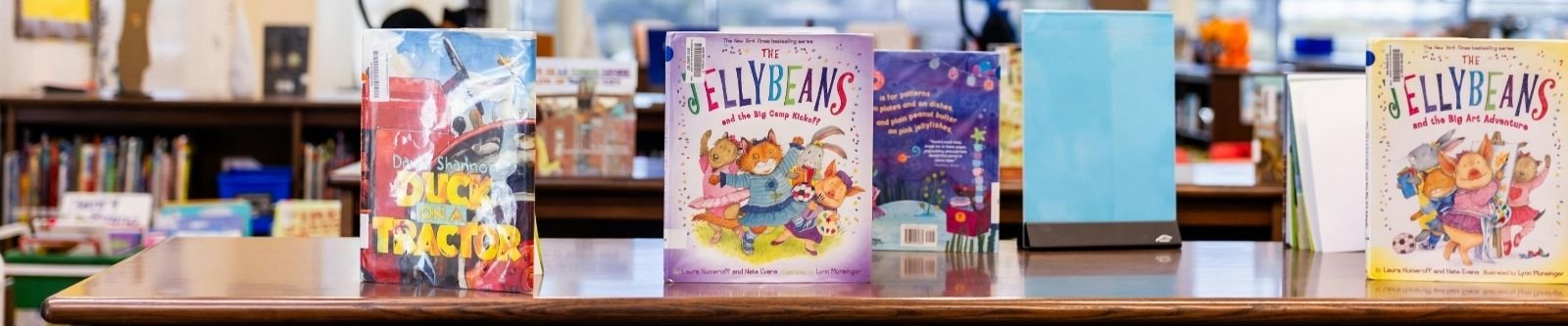
Not all children's books are created the same.
Some entertain.
Some distract.
Some simply fill pages.
But the most powerful children's books do something deeper—they help shape how a child sees themselves.
As a children's book author and managing editor in digital publishing, I've spent years studying how words influence readers. When it comes to young minds, that influence is even more profound. The stories children engage with don't just pass the time—they become part of a child's internal dialogue, quietly shaping their confidence, empathy, and understanding of the world.
That is why intentional storytelling matters.
For example, imagine a picture book where a young character is anxious about starting at a new school. Instead of simply telling children to "be brave," the story gently follows the character's journey—showing her naming her feelings, asking for help, and finding small moments of courage with the support of a diverse group of classmates. Through the character's experiences and choices, the story models empathy, resilience, and self-acceptance. This is what purposeful storytelling looks like in practice: guiding children toward understanding and growth with care and intention.
What Is Intentional Storytelling?

Intentional storytelling in children's literature means writing with purpose.
It invites us to ask:
- What is this story teaching—directly or indirectly?
- How will a child feel after reading this?
- Does this book encourage growth, curiosity, and confidence?
Intentional storytelling balances imagination with meaning. It doesn't preach or overwhelm—it gently guides.
When a child reads a story that models resilience, kindness, or bravery, those qualities begin to take root. Over time, they don't just recognize these traits—they start to embody them.
And that matters.
The Link Between Stories and Emotional Intelligence
Children are constantly learning how to process their emotions, often without the language to fully express what they feel.
Books create a safe and supportive space for children to explore:
- Fear
- Excitement
- Disappointment
- Joy
- Uncertainty
Through relatable characters and thoughtful narratives, stories help children understand that their feelings are valid—and manageable.
They also begin to recognize those emotions in others.
Stories can act as mirrors, reflecting a child's own experiences back to them with clarity and comfort. They can also serve as windows, offering new perspectives and expanding a child's understanding of the world around them.
Both are essential in raising emotionally intelligent readers.
Building Confidence Through Literacy
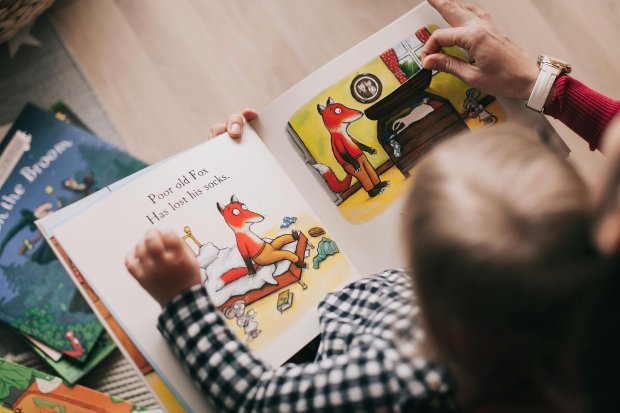
Early literacy is about more than recognizing letters and sounding out words—it's about building confidence.
When a child connects with a story, follows a narrative successfully, or sees themselves represented on the page, something powerful happens:
They begin to feel capable.
That sense of capability becomes a foundation for lifelong learning.
With over 15 years of experience in content creation, I've seen firsthand how clarity, rhythm, and accessibility influence engagement. Writing for children requires simplicity but never underestimation. Young readers deserve thoughtful, well-crafted stories that challenge and uplift them.
If you are choosing books for children, you might ask yourself a few guiding questions: Does the story reflect a variety of experiences and backgrounds? Are characters allowed to grow, make mistakes, and solve problems? Does the language support both understanding and imagination? Is the message positive and empowering without being heavy-handed? Inviting children into these kinds of stories helps foster curiosity and resilience in a safe, encouraging space.
Why Parents and Educators Should Be Intentional Too
Choosing children's books is not a passive act—it's an act of care.
When parents and educators intentionally select books that:
- Encourage curiosity
- Celebrate diversity
- Model empathy
- Support literacy development
They are shaping more than reading habits—they are shaping mindset, identity, and worldview.
The stories we place in children's hands today help shape the adults they become tomorrow.
A Commitment to Meaningful Children's Literature
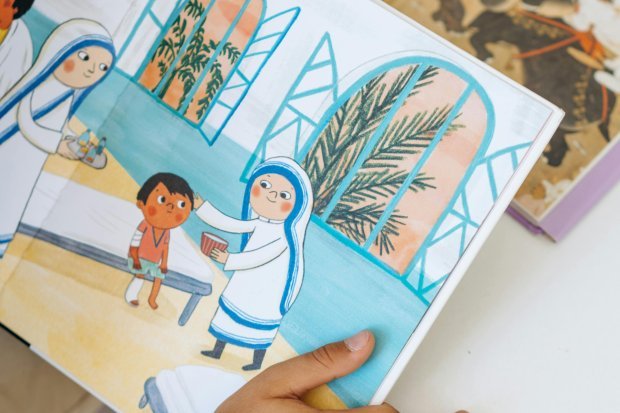
My goal has never been simply to publish books.
My goal is to contribute to a culture of intentional, empowering children's literature—stories that spark conversations, build confidence, and nurture imagination while supporting real emotional and intellectual growth.
Because when we give children meaningful stories, we give them tools:
- Tools to understand themselves
- Tools to navigate the world
- Tools to grow with confidence and compassion
If you believe in raising thoughtful, resilient, and curious young readers, I invite you to continue this journey with me. Take a moment to reflect on the books you currently share with children. Consider reviewing your bookshelf or discussing your selections with family or fellow educators. Are the stories you choose intentional and empowering? Try adding one new purposeful book to your collection this month, or start a conversation with your child or students about a favorite character and what they learned from their story. Small actions like these help turn inspiration into meaningful change.
Because the stories we choose matter.
And the children reading them matter even more.
Warmly,
Nicole S. Ross
Children's Book Author | Storyteller | Managing Editor