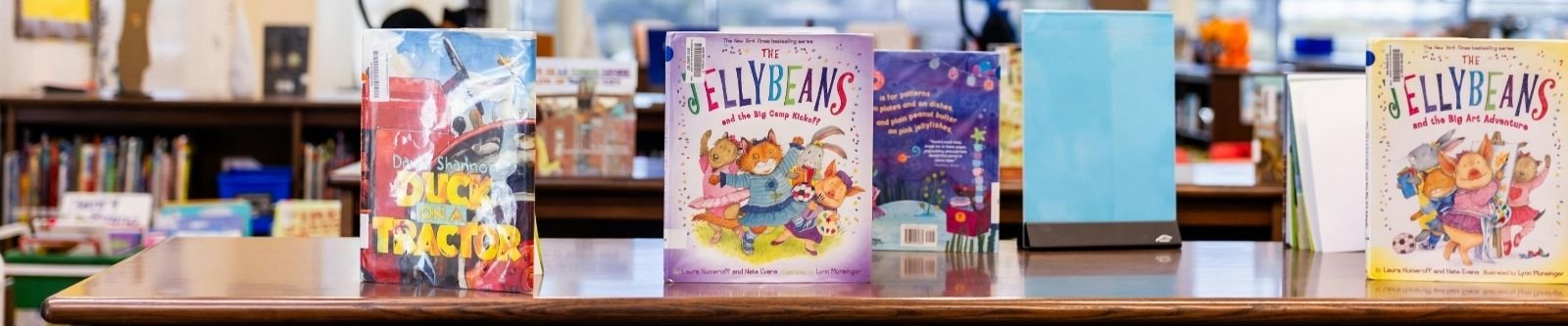
Turning Storytime Into Growth Time: How to Use Children’s Books With Intention
In my last post, I shared why intentional storytelling matters. Stories help shape how children see themselves. They nurture emotional intelligence. They build literacy and confidence in subtle but powerful ways.
Equally important is how we use books, guiding reading with purpose for greater impact.
A children's book can be more than a bedtime ritual. It can become a moment of connection, growth, and gentle guidance. As a children's book author and managing editor with over 15 years in publishing, I often think about what happens beyond the page.
HOW CAN STORYTIME BECOME SOMETHING DEEPER?
Here are a few simple ways:
Pause and Ask Open-Ended Questions
After reading a page or chapter, try asking:
- “How do you think the character felt?”
- “What would you have done?”
- “Have you ever felt that way?”
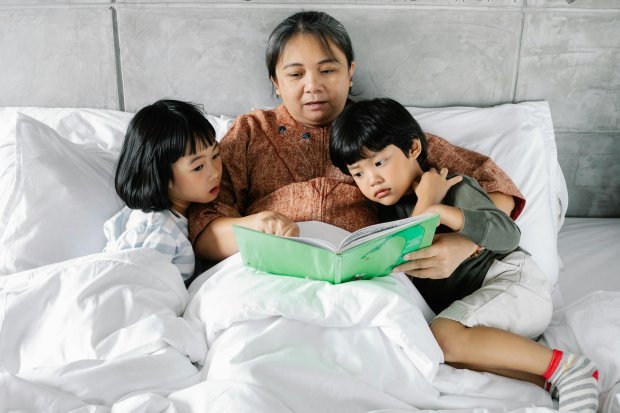
These small questions help children develop emotional intelligence. They learn to name feelings, consider perspectives, and develop empathy.
(Stories provide the framework; conversation deepens the lesson.)
Connect The Story To Real Life
Children internalize stories more deeply when they see the connection to their own experiences. If a character shows bravery, pinpoint what bravery looks like. If they make a mistake and learn from it, highlight that growth.
Say things like:
“I noticed how the character kept trying even when it was hard. That reminds me of you.”
(Moments like this build confidence quietly but powerfully.)
Revisit Favorite Books
Repetition is not accidental. When children ask to read a book repeatedly, they are reinforcing understanding and emotional comfort. Confidence-building books for kids often become favorites because they affirm something important inside the child.
(The familiar story becomes a safe place.)
Create a Storytelling Routine
Children thrive on rhythm and consistency. Whether it's bedtime reading, weekend morning storytime, or classroom reading circles, a consistent literacy routine reinforces the value of books. Early learning books become more impactful when they are part of a predictable, nurturing rhythm.
(Storytime becomes something they look forward to — not something rushed.)
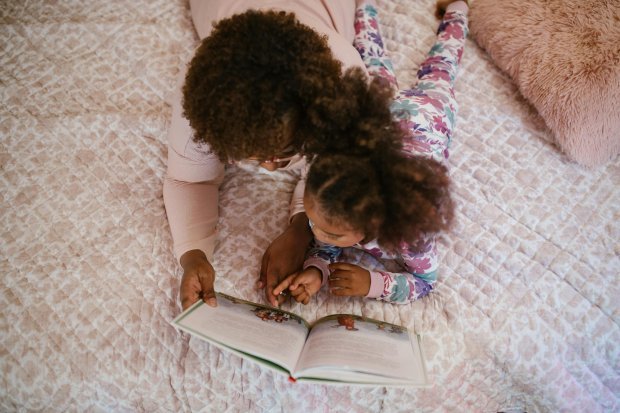
Choose Books With Intention
Not every book needs to teach a lesson explicitly. But when selecting children's books, consider:
- Does this story encourage growth?
- Does it model kindness or resilience?
- Does it support literacy development?
- Does it make my child feel seen and capable?
(Intentional choices create intentional outcomes.)
As a children's book author, I write with these same questions in mind. My goal is always to create stories that support both imagination and development; stories that feel warm, empowering, and meaningful.
A GENTLE REMINDER
There is no “perfect” way to read to a child. What matters most is presence.
Your voice.
Your attention.
Your willingness to engage.
Books are tools, but you are the anchor. When storytelling becomes interactive and thoughtful, it transforms from simple entertainment into growth time.
CONTINUING THE JOURNEY
If you've been following along in this series, you already know how deeply I believe in the power of intentional children's literature. If you're looking for stories that support:
- Confidence-building
- Emotional intelligence
- Early literacy development
- Meaningful parent-child connection
I invite you to explore my children's books on Amazon and see if they're a fit for your family or classroom.
You can view my books by clicking here.
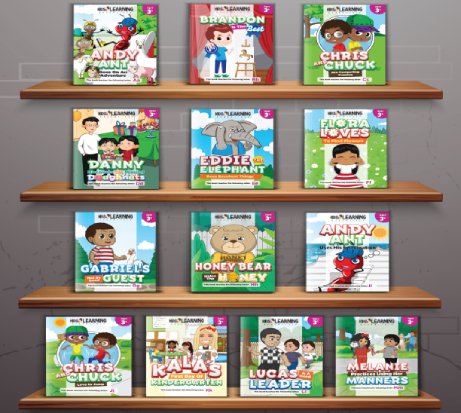
Thank you for being intentional about the stories you place in your child's hands. Because when we choose meaningful books — and read them with care — we help shape not just readers, but resilient, thoughtful human beings.
Warmly,
Nicole S. Ross
Children's Book Author | Storyteller | Managing Editor