
5 Things I Learned About the Side Effects of Turmeric While Managing Lupus
Why Turmeric Became Part of My Healing Journey
Living with Lupus has required me to become deeply intentional about how I care for my body. The joint pain and inflammation that come with it can be unpredictable, sometimes overwhelming, and often exhausting. In my search for relief, I found myself turning toward more natural support systems, and that's where turmeric entered my life.
I didn't start using turmeric casually. I started using it because I needed something to ease the stiffness in my joints, the swelling in my hands, and the deep, aching discomfort that would sometimes settle into my body without warning. And for me, turmeric did help. It became a supportive part of my routine, especially when it came to managing inflammation and arthritis-related pain.
However, my journey with turmeric didn't just include the expected benefits I'd hoped for. It also brought important lessons about how natural remedies can impact my life in unexpected ways.
1. Being Mindful of How Turmeric Affected My Body as a Woman
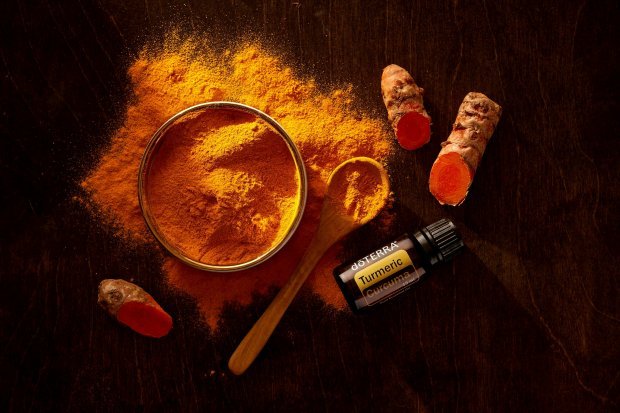
As I began using turmeric more consistently, I learned that it can act as a uterine stimulant. My daughter takes it when she deals with late-starting cycles from PCOS. And within a day or two, her cycle makes an appearance. That knowledge alone made me pause. I had to start paying closer attention to my cycle and how my body responded during different phases. I noticed my menstrual flow increased when taking turmeric during my cycle.
These realizations didn't just shape my turmeric use—they made me more intentional overall, a pattern that continued as I learned more.
2. I Learned the Hard Way That More Isn't Better
When my joint pain flared, especially during lupus-related inflammation, it was tempting to take more turmeric in hopes of faster relief. But my body quickly checked me on that.
I experienced nausea and digestive discomfort (diarrhea) when I overdid it, and that was my signal to slow down. I had to learn to respect dosage and understand that healing doesn't come from excess, it comes from consistency and balance.
3. I Had to Understand How It Affects Blood Flow
Turmeric naturally supports circulation by slowing blood clotting, which can be beneficial in some ways. But I had to be mindful of what that meant for me personally.
Living with a chronic condition already requires me to think ahead, whether it's medical procedures, medications, or even how my body responds to injury. Knowing that turmeric could increase bleeding or interact with certain medications made me more cautious and more informed in my decisions.
4. I Adjusted How I Took It to Support My Digestion
Even though turmeric helped ease my joint and arthritis pain, I noticed that taking it over time could sometimes irritate my stomach. I experienced bloating and mild discomfort, which made me rethink how I was using it.
Instead of giving it up, I adjusted. I focused on smaller doses and explored different forms that were easier on my system. That shift made a difference. It allowed me to continue receiving the benefits without the added discomfort.
5. I Focused on Absorption So My Body Could Actually Benefit
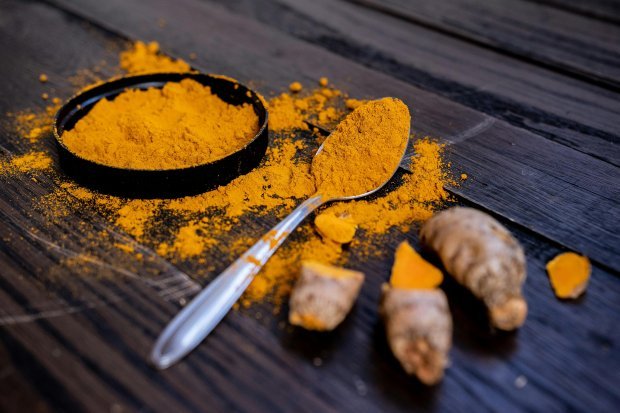
One of the biggest lessons I learned was that turmeric isn't easily absorbed on its own. That changed everything for me. I realized I didn't need more turmeric; I needed better absorption.
Once I became intentional about how I took it and what I was pairing it with, I noticed a difference. My body responded better, and I didn't feel the need to overcompensate with higher doses.
What Turmeric Has Meant for My Joint and Arthritis Pain
Turmeric hasn't been a cure for my lupus, but it has been a tool. A supportive one. It has helped me manage inflammation in a way that feels more aligned with how I want to care for my body.
There are days when the stiffness in my joints feels lighter, when the ache in my hands is more manageable, and when I feel like I have a bit more control over my body again. And while turmeric is only one part of that, it has played a meaningful role in my journey.
Final Thoughts: Awareness Over Assumption
If there's anything my experience has taught me, it's this: "natural" does not automatically mean "safe," so you need to stay informed, be intentional, and listen closely to your body before and while using any supplement.
Turmeric can be powerful, but it should be approached with care, especially if you're navigating a chronic illness like lupus.
Disclaimer
This blog post is based on my personal experience and is intended for informational and inspirational purposes only. It is not medical advice. Always consult with a qualified healthcare provider before starting any new supplement, especially if you have a medical condition, are pregnant or breastfeeding, or are taking medications. Your health journey is unique, and what works for me may not work for you.
BE well,
Nicole